


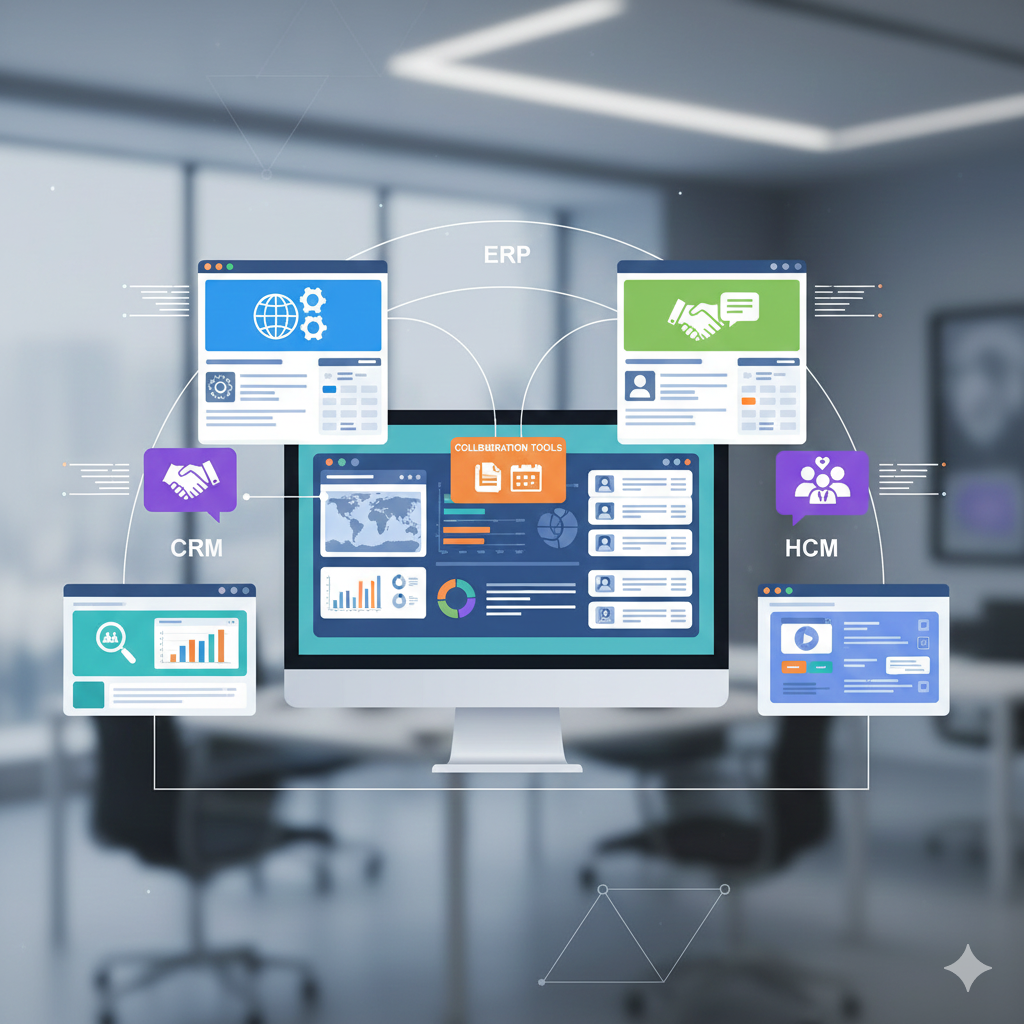
Business software categories and applications are central to today’s digitally driven economy, forming the backbone of organizational efficiency, decision-making, and competitive advantage. The right business software categories and applications help organizations streamline operations, leverage data, automate workflows, and enhance customer engagement. Understanding how different business software categories and applications function—and the platforms that support them—is essential for executives, IT professionals, and business managers aiming to optimize performance and achieve strategic objectives.
Understanding Software Platforms
A software platform serves as the foundational environment on which applications operate. It can include operating systems, development frameworks, cloud services, and enterprise ecosystems that provide the infrastructure, tools, and services necessary for running business applications. Platforms can be categorized as either horizontal or vertical, depending on their scope and target use cases.
- Horizontal Platforms: These platforms are designed to serve a broad range of industries and functions. Examples include Microsoft 365, Google Workspace, and cloud platforms like Amazon Web Services (AWS) and Microsoft Azure. Horizontal platforms provide generalized functionality such as document management, collaboration tools, and computing resources that can support multiple types of applications across different sectors.
- Vertical Platforms: These platforms cater to specific industries or business functions, such as healthcare management systems, retail point-of-sale (POS) solutions, or financial services platforms. Vertical platforms often include specialized modules tailored to industry-specific processes, compliance requirements, and reporting standards.
By understanding the platform layer, businesses can make informed decisions about application selection, integration capabilities, scalability, and total cost of ownership.
Categories of Business Software
Business software encompasses a wide spectrum of applications designed to manage different facets of organizational operations. These applications can be broadly grouped into several categories, each addressing distinct business needs:
1. Enterprise Resource Planning (ERP) Software
ERP systems are comprehensive solutions that integrate core business processes into a single, unified platform. They typically encompass modules for finance, human resources, procurement, inventory management, production planning, and customer relationship management. The primary objective of ERP software is to enhance operational efficiency by enabling data visibility, automating routine tasks, and supporting strategic planning.
Key Features of ERP Systems:
- Centralized data management across departments
- Real-time reporting and analytics
- Supply chain optimization
- Compliance and regulatory support
- Workflow automation
Popular ERP solutions include SAP S/4HANA, Oracle NetSuite, Microsoft Dynamics 365, and Infor CloudSuite. Modern ERP systems are increasingly cloud-based, offering scalability, lower upfront costs, and enhanced remote accessibility.
2. Customer Relationship Management (CRM) Software
CRM software is designed to manage a company’s interactions with current and prospective customers. It provides tools to track customer engagement, manage sales pipelines, automate marketing campaigns, and offer personalized support. The ultimate goal of CRM systems is to improve customer satisfaction, retention, and sales performance.
Key Features of CRM Systems:
- Contact and lead management
- Sales pipeline visualization
- Marketing automation and campaign management
- Customer service and support ticketing
- Analytics and predictive insights
Leading CRM platforms include Salesforce, HubSpot, Zoho CRM, and Microsoft Dynamics 365 CRM. Integrating CRM software with other business applications, such as marketing automation tools and ERP systems, creates a seamless ecosystem for data-driven customer engagement.
3. Human Capital Management (HCM) Software
Human Capital Management software, also referred to as Human Resource Management Systems (HRMS), focuses on the management of workforce-related processes. HCM solutions enable organizations to efficiently manage recruitment, onboarding, payroll, performance appraisal, training, and employee engagement.
Key Features of HCM Systems:
- Employee database and record management
- Payroll and benefits administration
- Talent acquisition and recruitment workflows
- Performance management and appraisal tracking
- Learning and development modules
Examples of HCM software include Workday, SAP SuccessFactors, ADP Workforce Now, and Oracle HCM Cloud. Modern HCM platforms increasingly leverage AI-driven analytics for talent management, predictive workforce planning, and employee engagement monitoring.
4. Financial and Accounting Software
Financial management and accounting software are critical for ensuring accurate bookkeeping, regulatory compliance, and informed financial decision-making. These applications help businesses manage accounts payable and receivable, general ledger, budgeting, expense tracking, and financial reporting.
Key Features of Financial Software:
- General ledger and journal entries
- Budgeting, forecasting, and financial planning
- Expense and invoice management
- Compliance reporting and tax management
- Integration with banking systems and ERP platforms
Prominent solutions in this category include QuickBooks, Xero, Sage Intacct, and Oracle Financials Cloud. Cloud-based accounting software provides real-time financial insights, enhanced collaboration, and scalability for growing organizations.
5. Project and Workflow Management Software
Project and workflow management software facilitates planning, execution, monitoring, and reporting of projects and business processes. These tools are particularly valuable in coordinating cross-functional teams, tracking task progress, and ensuring deadlines and deliverables are met.
Key Features of Project Management Tools:
- Task assignment and tracking
- Gantt charts, Kanban boards, and timelines
- Resource allocation and workload management
- Collaboration and communication tools
- Analytics and performance reporting
Popular platforms include Asana, Trello, Jira, Monday.com, and Microsoft Project. By integrating with ERP, CRM, and HCM systems, project management software can offer a holistic view of resources, timelines, and performance metrics.
6. Business Intelligence (BI) and Analytics Software
Business Intelligence software transforms raw data into actionable insights. By consolidating data from multiple sources, BI platforms enable organizations to monitor performance metrics, identify trends, and make data-driven strategic decisions.
Key Features of BI Tools:
- Data visualization through dashboards and reports
- Predictive analytics and machine learning integration
- Data consolidation from multiple systems
- Performance measurement and KPI tracking
- Ad-hoc querying and scenario modeling
Leading BI solutions include Tableau, Power BI, Qlik, and Looker. With the rise of big data, modern BI platforms increasingly incorporate AI and machine learning capabilities to deliver predictive insights and prescriptive recommendations.
7. Collaboration and Communication Software
Collaboration software supports teamwork, communication, and document sharing within an organization. These tools are essential for enhancing productivity, particularly in remote and hybrid work environments.
Key Features of Collaboration Software:
- Instant messaging and video conferencing
- Document sharing and version control
- Task management and collaborative editing
- Workflow integration with other business applications
- Security and compliance features
Examples of widely adopted collaboration tools include Microsoft Teams, Slack, Zoom, Google Workspace, and Confluence. By fostering real-time communication and collaboration, these platforms contribute to faster decision-making and stronger team alignment.
8. Industry-Specific Applications
Certain business software solutions are designed to meet the unique requirements of specific industries. These applications provide specialized functionality and compliance features that generic software cannot offer. Examples include:
- Healthcare: Electronic Health Records (EHR) systems like Epic and Cerner
- Retail: Point-of-sale and inventory management systems like Lightspeed and Shopify POS
- Manufacturing: Manufacturing Execution Systems (MES) and Product Lifecycle Management (PLM) software like Siemens Teamcenter and Plex
Industry-specific applications often integrate with broader enterprise platforms to ensure seamless operations and data consistency across the organization.
Integration and Interoperability
One of the most critical considerations in modern business software is interoperability. Organizations increasingly rely on software ecosystems, where multiple applications communicate and share data to deliver comprehensive insights and streamlined workflows. Integration technologies, such as APIs (Application Programming Interfaces), middleware, and cloud connectors, enable businesses to connect ERP, CRM, HCM, and other systems effectively. This integration minimizes data silos, enhances decision-making, and optimizes operational efficiency.
Trends in Business Software
The landscape of business software is constantly evolving. Key trends influencing software adoption and platform development include:
- Cloud Adoption: Cloud-based platforms provide scalability, remote accessibility, and reduced infrastructure costs. Software-as-a-Service (SaaS) models have become the standard for most enterprise applications.
- Artificial Intelligence and Machine Learning: AI-driven features enable predictive analytics, automation, and intelligent decision-making across business functions.
- Mobile Accessibility: Mobile-enabled applications allow employees to access critical tools and information from anywhere, enhancing productivity and responsiveness.
- Data Security and Compliance: With increasing cyber threats and regulatory requirements, security, encryption, and compliance features are now integral to all business software.
- Low-Code and No-Code Platforms: These platforms empower organizations to develop custom applications without extensive programming knowledge, reducing development time and costs.
Selecting the Right Business Software
Choosing the right software solution requires a careful assessment of business needs, operational complexity, budget, and scalability. Organizations must evaluate:
- Functional Requirements: Does the software meet current and anticipated operational needs?
- Integration Capabilities: Can it seamlessly connect with existing systems and data sources?
- Scalability: Will the software accommodate future growth and evolving business processes?
- User Experience: Is the platform intuitive and accessible to end users?
- Vendor Support and Ecosystem: Does the vendor provide reliable support, updates, and a thriving community of users and developers?
A strategic approach to software selection and implementation ensures that technology investments deliver maximum value and support long-term business objectives.
Conclusion
Business software platforms and applications form the foundation of modern organizational efficiency and competitiveness. From ERP and CRM systems to industry-specific solutions, these tools enable companies to streamline operations, improve decision-making, and enhance customer engagement. By understanding the different categories of business software, their functionalities, and integration capabilities, organizations can make informed decisions that optimize workflows, reduce costs, and drive growth. As technology continues to evolve, businesses that adopt adaptable, secure, and intelligent software solutions will be best positioned to thrive in an increasingly dynamic and data-driven environment.